Five advantages of a ‘Bag-in-Box’ wine you did not know!
February 6, 2020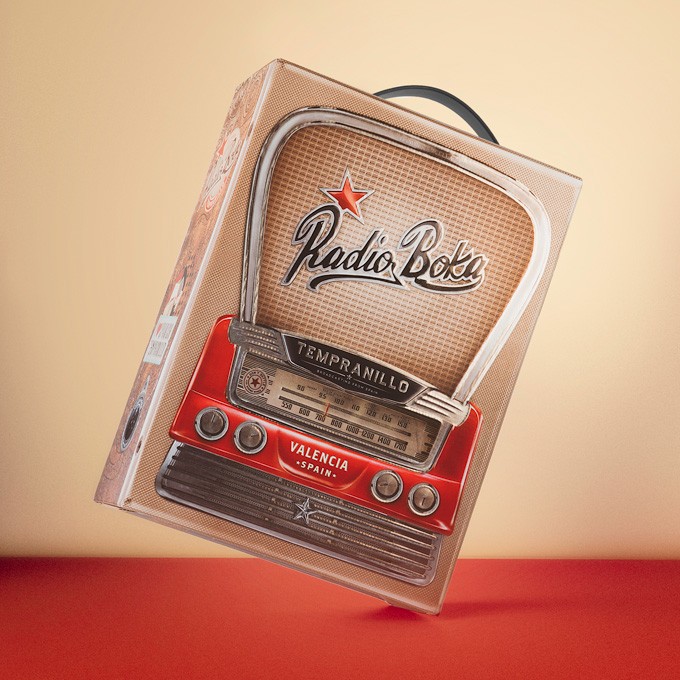
In the past, the remains of the wine that were not utilized for bottling (or in some cases the wine of worse quality) were sold at a cheaper price in different types of packaging such as cartons. That is probably why there’s still a stigma around different types of packaging than bottling. A stigma that is long overcome in Australia and New Zealand for example.
The changes in technologies and the increasing concern for sustainable alternatives which demand different packaging, is making the “bag-in-box” (BiB from now on), - also known as “box wine” - the star of the show. The BiB consists of a polyethylene bag with a tap, that is inside a cardboard box, and can be found in different sizes (from 1,5 up to 20L) Nowadays it is possible to find amazing young wines, very fresh, that come in a BiB.
What are the advantages of the BiB?
1. It preserves the wine in perfect condition: This is because the wine is fully protected with no light coming in. The combination of the tap system, with a contracting bag, makes it impossible for the oxygen to get in as well. The result is that the wine in a BiB can be consumed in optimal condition, with all its characteristics intact (color, aromas, flavors), even weeks after it was opened.
2. Easy to transport and store. BiBs are normally box shaped (although there are interesting and imaginative variations), meaning that they fit perfectly well taking all the space of the outer cases. At home this is also useful, as it fits effortlessly in any fridge. BiBs are way lighter than bottles, but they are stronger, thus, the possibility of breakage is minimal.
3. Versatile and cheaper: a BiB can be found in different formats. From 1,5L to 5L for consumption at home, to up to 20L for the hospitality industry. This means there are scale efficiencies in the production and packing lines, which translate to the final consumer price. Without altering the quality of the wine inside, of course! Rest assured that for any brand, the quality of the wine in the bottle is exactly the same as the one that goes into the BiB.
4. Sustainability: they are lighter and easier to transport, due to their scale they are also easier to produce than glass bottles. All these things combined translate in a smaller carbon footprint for wine in BiB compared to the bottles. Moreover, the outer box and the bag are fully recyclable, and easier to recycle than glass.
5. Branding: looking at it from a marketing perspective, the BiB allow the producers to differentiate and expose their brands in a more efficient and creative manner. The whole surface of the package can be used to display the brand and its values, making them a very interesting and creative way of packaging.
Truth be told, it may be the case that the BiB are not ideal for every wine nor for any occasion. For example, due to its characteristics, it is not possible to have proper aging in BiBs, meaning they are mostly adequate for young and fresh wines. They are undoubtedly the ideal format for picnics, parties and friendly gatherings. However, if you want to impress your in-laws with your uncorking skills… the BiB is not the way to go.
The wine industry is rooted in ancient traditions, and it is understandable that there is some resistance to some techniques and packaging that are perceived to break the classic wine codes.
However, we shouldn’t ignore the latest developments, especially those that benefit all the participants in the industry, from producers to the end consumer.
The BiBs are already trendy in many different countries: Sweden is the biggest BiB importer of the world, and 60% of their wine sales are coming in, in this format. Followed by the US, Norway, Slovakia and Germany. Even France is getting its fair share of the BiBs, the sales in volume will reach up to 50% of the market share, according to Euromonitor.
In Australia and New Zealand, BiBs have been in the market for over 50 years.